NRCS High Tunnel Grant: The Complete Guide for Growers (2026)
NRCS HIGH TUNNEL GRANT: THE COMPLETE GUIDE FOR GROWERS (2026)
By Toby Fischer, Co-owner, CT Greenhouse · Updated July 2026
Looking to extend your growing season without breaking the bank? The USDA's NRCS high tunnel grant can cover up to 90% of your costs, but the process is more straightforward than most growers expect. This guide breaks down the USDA's technical structure requirements, eligibility rules, cost-share payment rates, and exactly how to apply for an NRCS-eligible high tunnel in 2026.
Key Takeaways
- NRCS pays eligible producers a cost-share rate per square foot for a qualifying high tunnel under EQIP, typically ranging from $5 to $12 per square foot depending on state and producer status.
- Maximum payments vary by state but often fall in the range of $8,000–$22,000 for a typical tunnel. Higher rates are available for historically underserved farmers (including beginning farmers).
- The USDA's structure requirements include a pre-fab kit, metal or wood frame, 6-ft minimum height, 6-mil UV-resistant plastic, and in-ground growing.
- Eligibility requirements include an income limit, long-term control of the land, and being registered with the USDA Farm Service Agency (FSA).
1. What Is the NRCS High Tunnel Initiative?
The Natural Resources Conservation Service (NRCS) High Tunnel Initiative is a voluntary conservation program under the Environmental Quality Incentives Program (EQIP). It provides financial and technical assistance to agricultural producers to extend the growing season, improve plant quality, and reduce energy use.
By providing cost-share payments, the USDA encourages farmers to adopt high tunnels. These structures protect crops from severe weather, extend the growing season into the colder months, and often reduce the need for pesticides by providing a more controlled environment.
It's important to note that this is a reimbursement program, not an upfront grant. You will typically need to purchase and install the high tunnel yourself, and then the NRCS will reimburse you based on your contracted cost-share rate after an inspection. That said, there are options to help bridge the upfront cost. Historically underserved producers (including beginning farmers) can qualify for an advance payment of up to 50% before construction begins. Beyond that, a growing network of agricultural lenders, USDA-backed loan programs, and farm-focused nonprofits offer short-term financing specifically designed to help producers cover costs while they wait for reimbursement.
2. Who Is Eligible for the NRCS High Tunnel Grant?
To qualify, you must:
- Be an agricultural producer engaged in farming or ranching.
- Have a 3-year average Adjusted Gross Income (AGI) of $900,000 or less.
- Be registered with the FSA and have a farm and tract number.
- Have long-term control of the land (own it or have a lease for the life of the contract).
- Be HELC/WC compliant (Highly Erodible Land and Wetland Conservation).
A note on land control for renters: If you don't own the land outright, you can still qualify, but your lease must be in writing.
Historically Underserved Producers
The NRCS offers higher cost-share rates and advance payment options for "historically underserved" producers. This includes beginning farmers (farming for less than 10 years), socially disadvantaged farmers, limited resource farmers, and military veterans.
If you fall into one of these categories, you may be eligible to receive an advance payment of up to 50% of the contracted amount to help purchase the high tunnel kit, alleviating the burden of paying entirely out of pocket before reimbursement.
3. What Are the NRCS High Tunnel Requirements (CPS 325)?
According to Conservation Practice Standard (CPS) 325, the structure must:
- Be a pre-fabricated kit (no DIY structures).
- Have a metal or wood frame (galvanized steel is by far the most common for approved kits).
- Be at least 6 feet high at its peak.
- Use an approved greenhouse-grade polyethylene cover (UV-resistant; your state NRCS office will confirm the exact specification).
- House crops grown in the natural soil profile or in raised beds no more than 12 inches high.
- Not be used for livestock or storage.
The Conservation Practice Standard 325 (CPS 325) is the technical rulebook for NRCS high tunnels. It's designed to ensure the structure serves a conservation purpose and will withstand normal weather conditions for its intended lifespan (typically 4-5 years for the plastic, 10+ for the frame).
One of the most critical rules is the in-ground cropping requirement. You cannot use an NRCS high tunnel for container growing on benches or a concrete slab. The crops must be planted directly in the ground or in raised beds that are 12 inches high or shorter, allowing the plant roots to reach the natural soil profile.
Good news on upgrades: Over the years, the allowed features on NRCS high tunnels have evolved as the definition of a “high tunnel” has expanded. Many states now permit producers to install a full range of environmental controls, including heaters, exhaust fans, and automation, under the program. Check with your local NRCS agent on what’s currently approved in your state.
4. How Much Does NRCS Pay for a High Tunnel?
NRCS pays eligible producers a cost-share rate per square foot for a qualifying high tunnel under EQIP, typically ranging from about $5 to $12 per square foot depending on state and producer status.
Because payment rates are set at the state level and updated annually, there is no single national price. However, you can generally expect the NRCS to cover between 50% and 90% of the cost of the structure. To put that share in context, it helps to know what a high tunnel actually costs before cost-share.
5. How Do You Apply for the NRCS High Tunnel Grant? (7 Steps)
Applying for an NRCS grant is easy once you make contact with your local office, but it can be slow. From your initial office visit to having funds in your account, expect at least a year. Here is the step-by-step process; every document and deadline is covered in our form-by-form application guide:
1 Establish FSA Records: Visit your local Farm Service Agency (FSA) office to register your farm and get a Farm Tract Number. Their staff will walk you through the eligibility certifications; the exact forms vary by state, so let the office guide the paperwork.
2 Contact Your Local NRCS Office: Schedule a site visit with an NRCS conservationist. They will walk your land, discuss your goals, and verify that a high tunnel will solve a conservation issue (like extending the growing season or reducing runoff).
3 Develop a Conservation Plan: Your NRCS agent will draft a conservation plan for you that includes Practice Code 325 (High Tunnel System).
4 Submit the EQIP Application: Confirm with your agent that you want them to submit your official EQIP application before your state’s ranking deadline (usually between November and February).
5 Ranking and Selection: NRCS ranks all applications based on their conservation benefits. If yours scores high enough, you will be selected for funding.
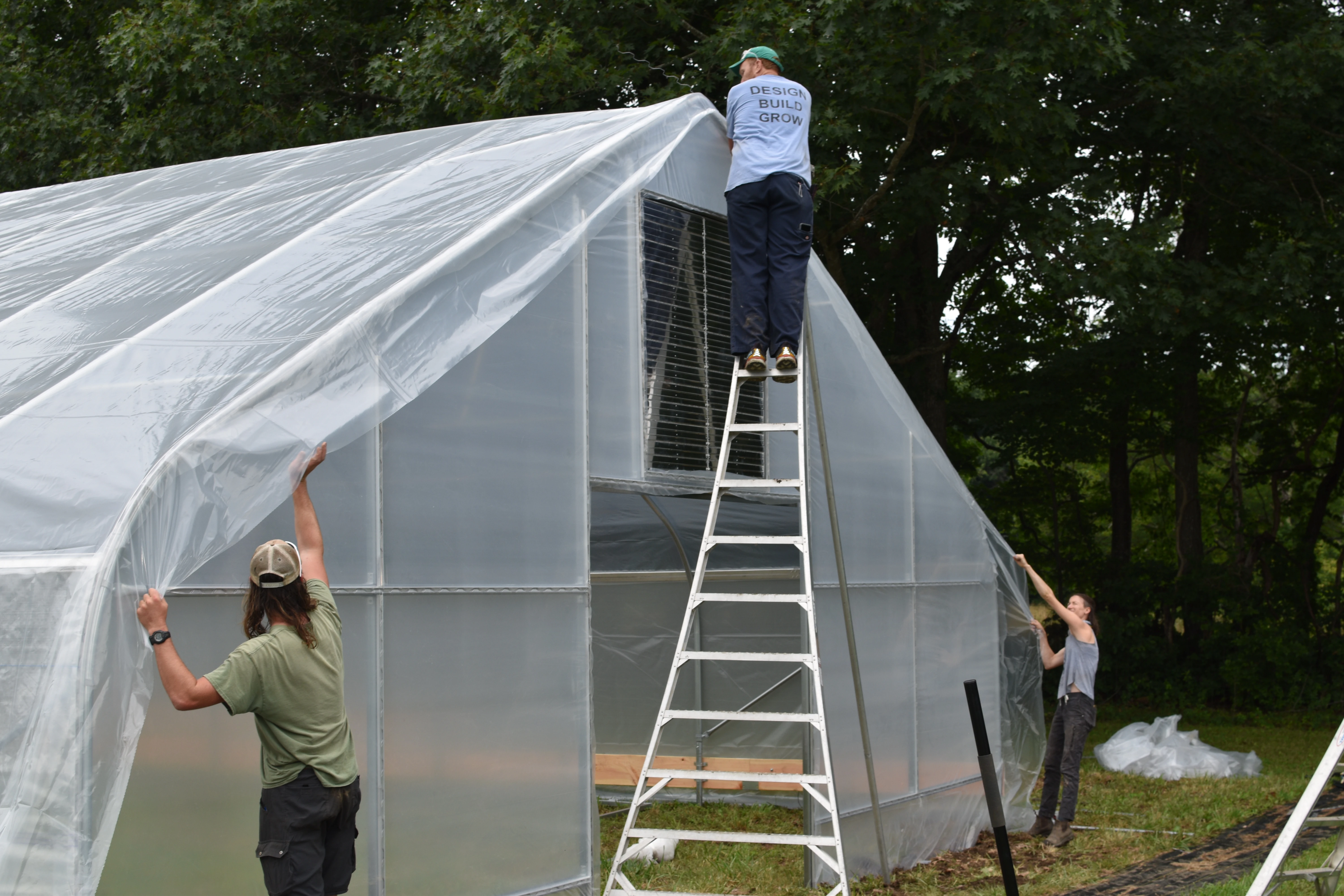
6 Sign the Contract & Build: Do not purchase or start building the tunnel until your contract is officially signed. Once signed, you can buy an approved kit and erect the structure according to CPS 325 specs.
7 Inspection and Reimbursement: After the build is complete, your NRCS agent will inspect the tunnel to ensure it meets all standards. Once approved, the reimbursement funds are deposited into your account.
6. Which High Tunnel Kits Are NRCS-Eligible?
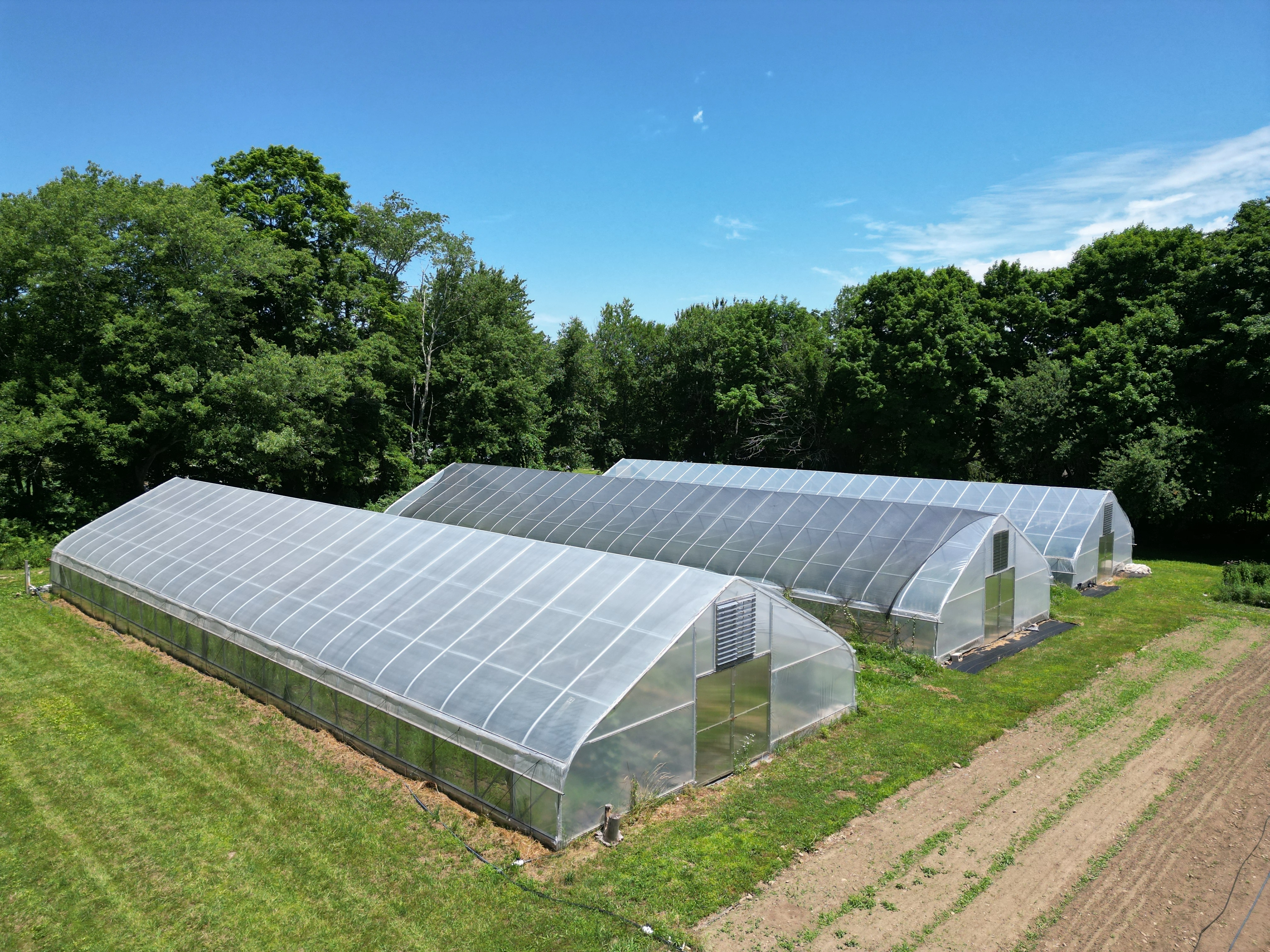
Because NRCS forbids DIY structures built from raw materials, you must purchase a pre-fabricated kit from a reputable manufacturer that meets or exceeds the CPS 325 standards for snow and wind loads.
Each state has their own standards, so before you do anything else, make sure you ask your agent for any guidelines your tunnel must meet. In general, when shopping for a kit, look for:
- Heavy-gauge galvanized steel tubing (usually 1.66" or larger).
- Gothic arch designs, which shed snow better than round hoop houses.
- 6-mil, 4-year UV-resistant polyethylene film.
- Roll-up sides for proper passive ventilation.
We offer three main models that are popular for NRCS grants:
- The Grower Model: An excellent entry-level option that meets all basic CPS 325 specs.
- The Plus Model: A mid-tier option with twin-wall polycarbonate end walls and a double layer of greenhouse plastic.
- The Pro Model: Our fully upgraded model, with sliding doors, steel and polycarbonate baseboards, and woven roll up sides.
Need an NRCS-eligible kit? Our high tunnels are designed to meet or exceed CPS 325 standards.
7. NRCS High Tunnel vs. Greenhouse vs. Hoop House
Heads up: out in the greenhouse world, high tunnel, greenhouse, and hoop house get used interchangeably, and the definitions are vague and regional. Ask ten growers and you’ll get ten answers. The NRCS is the exception. They have a clear definition of a high tunnel, and when grant funding is on the table, that definition is what matters. Everything below reflects how we see these terms used in practice alongside the NRCS distinction.
- Growing method: NRCS high tunnels are used for in-ground or raised-bed growing (beds ≤12” tall). Greenhouses typically use containers, benches, or hydroponics. Hoop houses vary, and may use either.
- Climate control: High tunnels are usually passive (roll-up sides, doors), though not always. Greenhouses are generally active (heaters, exhaust fans). Hoop houses go either way.
- Foundation: High tunnels use ground posts, no concrete slab. Greenhouses typically sit on concrete slabs or footings. Hoop houses use ground posts or wood bases.
8. Tips for a Successful NRCS Application
Most applications that run into trouble share a handful of common patterns. Here's what the producers who get approved, and stay approved, tend to do right:
- Wait to order a kit or start construction until you have a signed contract: Securing your contract first ensures your project remains fully eligible. Wait for the NRCS to officially sign and approve the contract before buying a kit or putting posts in the ground.
- Use an approved kit from an established vendor: Bending your own pipe to save money violates the “pre-fabricated kit” rule of CPS 325.
- Make sure your agent has approved your location: Building the tunnel over utility lines, on a septic field, or in a wetland area will cause an immediate rejection during the site visit.
- Reach out to NRCS early, ideally in the fall: Most state ranking windows open in winter. Producers who contact their local NRCS office in the fall get the site visit, conservation plan, and paperwork done in time. Those who call in the spring asking about a summer build almost always have to wait until the following year.
- Leasing land is fine: You don’t need to own your land to qualify. Producers on rented or leased ground can build NRCS high tunnels as long as they have written control of the property for the required period of time.
9. After You're Approved: Installation, Inspection & Tax Implications
Once your tunnel is up, the NRCS agent signs off on the inspection, and you’ve received your reimbursement, you enter the “maintenance” phase of your contract. You’re required to keep the tunnel in agricultural production for its designated lifespan.
This means you must manage the plastic cover, repair any storm damage, and actively grow crops inside it.
Pro Tip on Taxes: The reimbursement you receive from the NRCS is generally considered taxable income by the IRS and will be reported on a 1099-G form. However, you can also typically deduct or depreciate the cost of the high tunnel kit. Always consult with a CPA or tax professional who understands agricultural grants.
10. Frequently Asked Questions
How long does the NRCS high tunnel grant take?
The entire process from initial FSA registration to receiving your reimbursement typically takes a year or more. Generally state ranking periods happen in the winter, contracts are signed in the spring, and construction occurs in the summer or fall. However it varies state by state so make sure to check with your local office.
Are DIY high tunnels NRCS eligible?
No. The NRCS Practice 325 standard explicitly states that high tunnels must be pre-fabricated kits purchased from a manufacturer. DIY structures built from locally sourced bent pipe or PVC do not qualify for cost-share reimbursement.
What crops can you grow in an NRCS high tunnel?
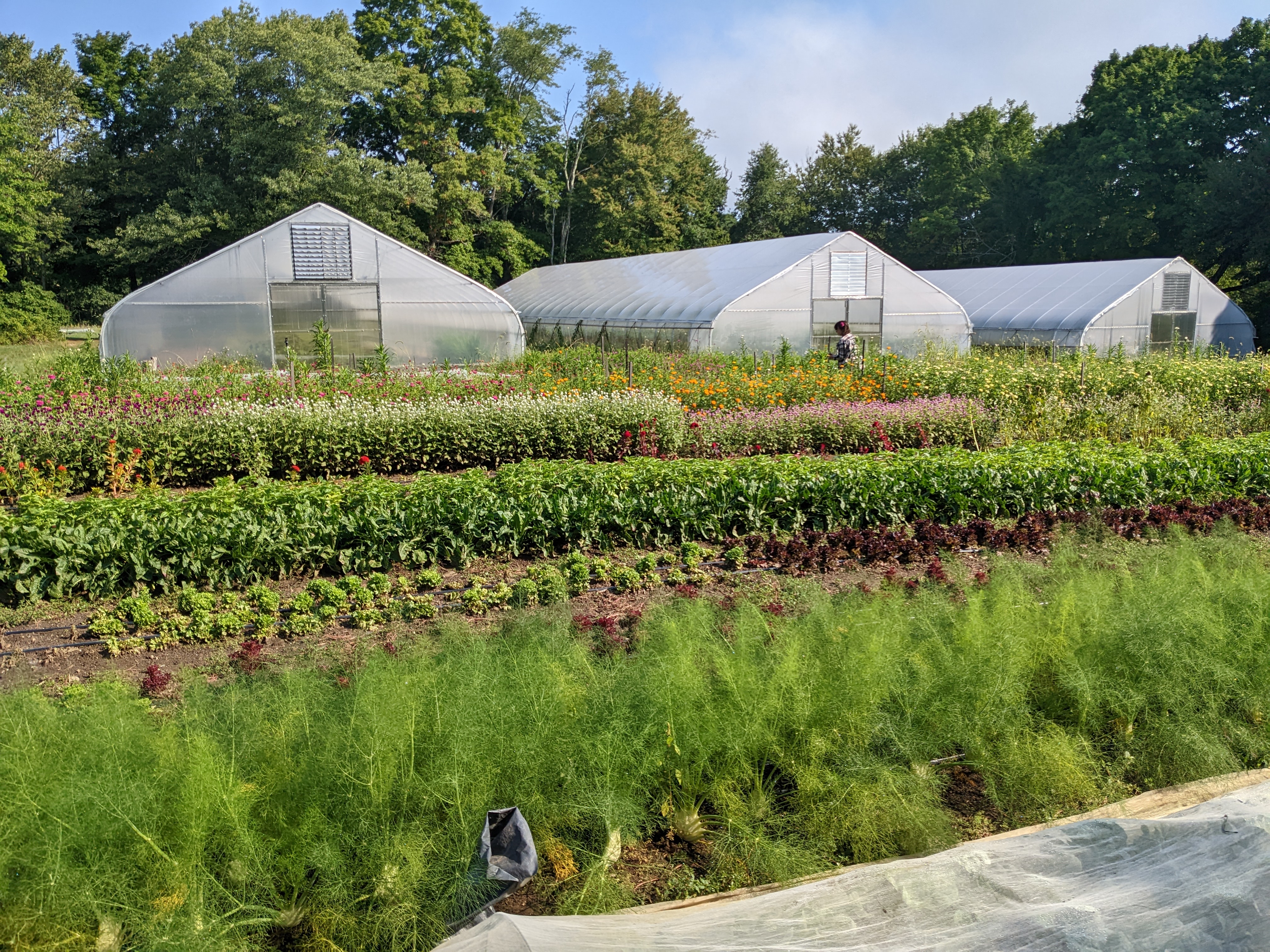
You can grow almost any agricultural crop, including vegetables (tomatoes, peppers, greens), berries (strawberries, raspberries), and cut flowers, as long as they're planted in the ground or in raised beds under 12 inches.
Do NRCS high tunnels have to be a specific size?
No required footprint, but minimum peak height is 6 feet. You specify the size on your application, and that’s the ceiling. NRCS won’t pay for more than what’s contracted.
State caps vary: some limit size per structure, some cap contract value, some do both.
Build smaller than contracted and you’ll be paid the square footage rate for what you actually built, not the full contract amount. Check with your local NRCS office for your state’s specifics.
Is the NRCS high tunnel grant taxable?
Yes. EQIP payments are generally considered taxable income and are reported to the IRS. You will receive a 1099-G form for the year the payment was received.
Conclusion
Securing an NRCS high tunnel grant through EQIP is one of the best investments a market gardener or farmer can make. By understanding the CPS 325 requirements, preparing your FSA paperwork early, and choosing an approved pre-fabricated kit, you can significantly lower the barrier to year-round production.
Explore the NRCS High Tunnel Series
Ready to Get Started?
Browse our NRCS-eligible high tunnel kits to find the right structure for your farm.